
You reach for a cold glass of water or a hot cup of chai during the Delhi monsoon, and suddenly — zing — a sharp jolt shoots through your tooth. If that sounds familiar, you are not alone. Many people notice their teeth turn extra sensitive during the rainy season. If you are searching for tooth sensitivity treatment in Delhi, here is a clear guide to why it happens, when that twinge is a warning sign, and how to get lasting relief.
What Is Tooth Sensitivity — and Why That Sharp Zing Happens
The hard outer layer of your tooth (enamel) protects a softer layer underneath called dentine. Dentine is full of thousands of microscopic tubes that lead straight to the nerve inside the tooth. When enamel wears thin or the gum pulls back, these tiny tubes get exposed — so anything hot, cold, sweet or sour reaches the nerve and triggers that sudden, sharp sensation. That is tooth sensitivity in a nutshell: a protective layer has thinned, and the nerve is feeling more than it should.
Why Tooth Sensitivity Gets Worse in the Monsoon
Several rainy-season factors gang up on sensitive teeth:
- Sudden temperature swings: Cold, damp weather plus hot chai, coffee and pakoras means your teeth are constantly hit by hot-and-cold extremes that set off exposed nerves.
- More humidity, more bacteria: The damp season encourages bacterial growth in the mouth, which can worsen gum irritation and enamel erosion.
- Seasonal cravings: Monsoon favourites — tangy chaat, tamarind, citrus, sweet treats — are acidic and sugary, and they soften enamel further.
- Barometric & sinus changes: Weather shifts and monsoon sinus congestion can add pressure around the upper teeth, making an already sensitive tooth feel worse.
So while the monsoon does not cause sensitivity by itself, it exposes and amplifies problems that were already brewing.
Common Causes of Sensitive Teeth
Sensitivity is a symptom, not a disease — and finding the real cause is the key to fixing it. The usual culprits are:
- Enamel erosion from acidic food and drink or over-hard brushing.
- Gum recession that exposes the sensitive root surface — often linked to gum disease.
- Tooth decay or a cracked/chipped tooth letting temperature and bacteria reach the nerve.
- Worn-out old fillings or a tooth that recently had dental work.
- Teeth grinding (bruxism), which wears down enamel over time.
- Recent teeth whitening, which can cause temporary sensitivity.
When Sensitivity Is a Warning Sign — See a Dentist
Occasional mild sensitivity is common. But some signs mean the twinge is pointing to a bigger problem that needs professional care. Book a check-up if you notice:
- Sensitivity in just one tooth that keeps getting worse — a classic sign of decay or a crack.
- Pain that lingers long after the hot or cold is gone.
- Sensitivity along with bleeding or receding gums.
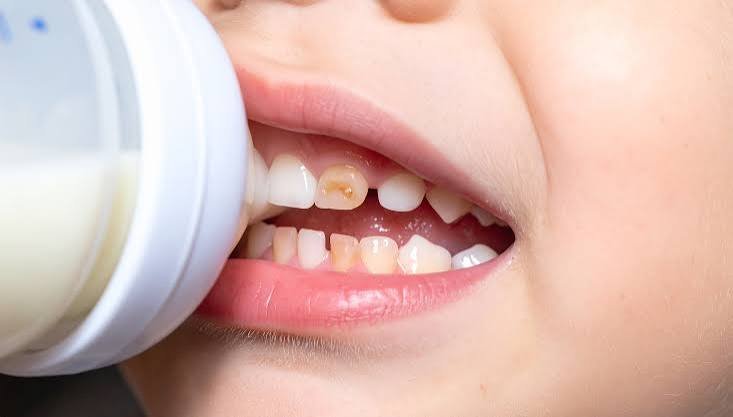
- A visible hole, dark spot or chip on the tooth — often an early sign of a cavity.
- Sensitivity with swelling or throbbing pain — this needs prompt attention.
How to Get Relief — At Home
For mild, everyday sensitivity, these simple steps often help:
- Switch to a desensitising toothpaste: Used twice daily, it gradually blocks those exposed tubes. Give it 2-4 weeks to work.
- Use a soft-bristled brush, gently: Hard brushing wears enamel and pushes gums back. Brush softly in small circles.
- Ease off acidic foods: Cut back on citrus, tamarind, fizzy drinks and tangy chaat, and rinse with water after.
- Don’t brush right after acidic food: Wait 30 minutes so softened enamel can re-harden first.
- Avoid extreme hot-cold combos and try a fluoride mouth rinse to strengthen enamel.
For more detail, see our guide on how to stop sensitive teeth pain. If home care doesn’t settle it within a few weeks, it is time for a professional check.
Professional Treatments for Sensitive Teeth in Delhi
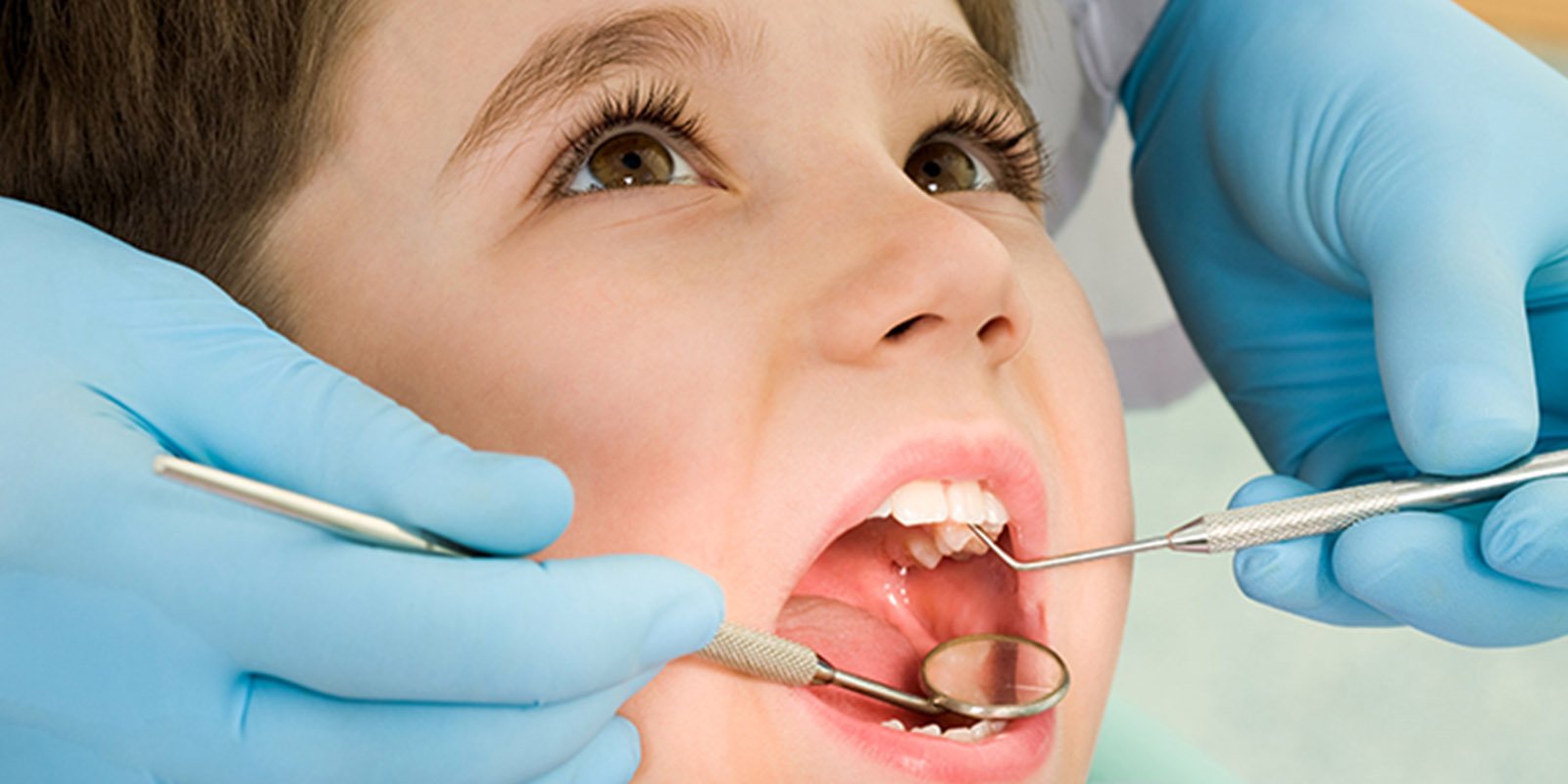
At the clinic we first find the cause, then treat it directly — so the relief actually lasts. Depending on what we find, options include:
- Fluoride varnish or gel to strengthen enamel and seal the exposed surface.
- Desensitising / bonding agents painted onto sensitive areas for an instant barrier.
- Tooth-coloured filling if decay, a crack or a worn cavity is the cause.
- Gum treatment when recession or gum disease is exposing the root.
- Professional cleaning & a night guard for tartar-related sensitivity or grinding.
- Root canal in the rare case the nerve is badly affected.
Here is a rough guide to what sensitivity treatment costs in Delhi (final cost depends on the cause and number of teeth):
| Treatment | Approx. Cost |
|---|---|
| Consultation & sensitivity check | ₹500 – ₹1,000 |
| Fluoride application (per session) | ₹600 – ₹1,200 |
| Desensitising / bonding agent (per tooth) | ₹500 – ₹1,500 |
| Tooth-coloured filling | ₹1,000 – ₹2,000 |
| Professional cleaning & scaling | ₹1,000 – ₹2,500 |
Prices are indicative for 2026 and may vary. Contact us for an exact quote after a quick check-up.
Why Choose North Delhi Dental Clinic
Sensitivity has many possible causes, so getting the diagnosis right matters. At North Delhi Dental Clinic in Model Town, we take the time to find out exactly why your teeth are reacting — and fix the root cause, not just mask the symptom:
- Led by Dr. Ankita Jindal Poddar — BDS with 15+ years of experience and a gentle, thorough approach.
- Root-cause diagnosis — we identify whether it’s enamel, gums, decay or grinding before treating.
- Full range of care under one roof — fluoride, fillings, gum treatment, cleaning and night guards.
- Rated 4.8★ by 160+ happy patients across North Delhi.
A professional dental cleaning and check-up is often the perfect first step this monsoon — it clears tartar, checks your gums, and helps us catch any hidden cause of sensitivity early. See our dental cleaning cost guide for details.
Tired of That Sharp Zing Every Time You Eat?
Get to the root of your tooth sensitivity at North Delhi Dental Clinic, Model Town-3.
Frequently Asked Questions
Why do my teeth feel more sensitive during the monsoon?
The rainy season combines cold, damp weather with hot drinks and acidic seasonal foods, so teeth face constant hot-cold extremes. Higher humidity also encourages bacteria, and sinus pressure can add to the discomfort. The monsoon doesn’t cause sensitivity on its own, but it exposes and worsens problems that were already there.
Does tooth sensitivity go away on its own?
Mild sensitivity from a one-off cause, such as recent whitening, often settles by itself. But if it lasts more than a couple of weeks, keeps getting worse, or affects a single tooth, it usually points to decay, gum recession or a crack that needs a dentist’s attention.
Does desensitising toothpaste really work?
Yes, for many people. Used twice a day, it gradually blocks the tiny tubes in the exposed dentine that lead to the nerve. It usually takes 2-4 weeks of regular use to feel the full benefit — but it only manages symptoms, so if the cause is decay or gum disease you’ll still need treatment.
What is the fastest way to treat sensitive teeth?
In the clinic, a fluoride varnish or a desensitising bonding agent can give near-instant relief by sealing the exposed surface. Which treatment is best depends on the cause, so a quick check-up to diagnose it is the fastest route to lasting comfort.
How much does tooth sensitivity treatment cost in Delhi?
A consultation is usually around ₹500-₹1,000. Fluoride application costs about ₹600-₹1,200, a desensitising agent ₹500-₹1,500 per tooth, and a filling ₹1,000–₹2,000 if decay is the cause. The final cost depends on what is causing the sensitivity and how many teeth are involved.

Dr. Ankita Jindal Poddar
BDS, 15+ years of experience | IDA Member | Ex-Hindu Rao Hospital | Certificate of Implantology. Dr. Ankita leads North Delhi Dental Clinic in Model Town-3, Delhi, offering gentle, patient-friendly dental care for the whole family.
📍 D-2/2, Model Town-3, Delhi 110009 | 📞 +91 98106 35405