Every dentist in Delhi hears the same handful of sentences. They arrive from people we love and trust — a nani, a mausi, a neighbour who “knows about these things.” Some of that advice is genuinely good. Some of it quietly costs people their teeth. This is our attempt to sort one from the other.
Here are the six that do the most harm, from the ones we hear most often at our Model Town clinic. They are ranked by how much damage the belief actually does — not by how often it comes up.
A quick note before we start: none of this is meant unkindly. Our grandmothers were working with the information they had. They got a fair amount right. They just did not have X-rays.
1. “Scaling loosens your teeth”
The most expensive myth in Indian dentistry
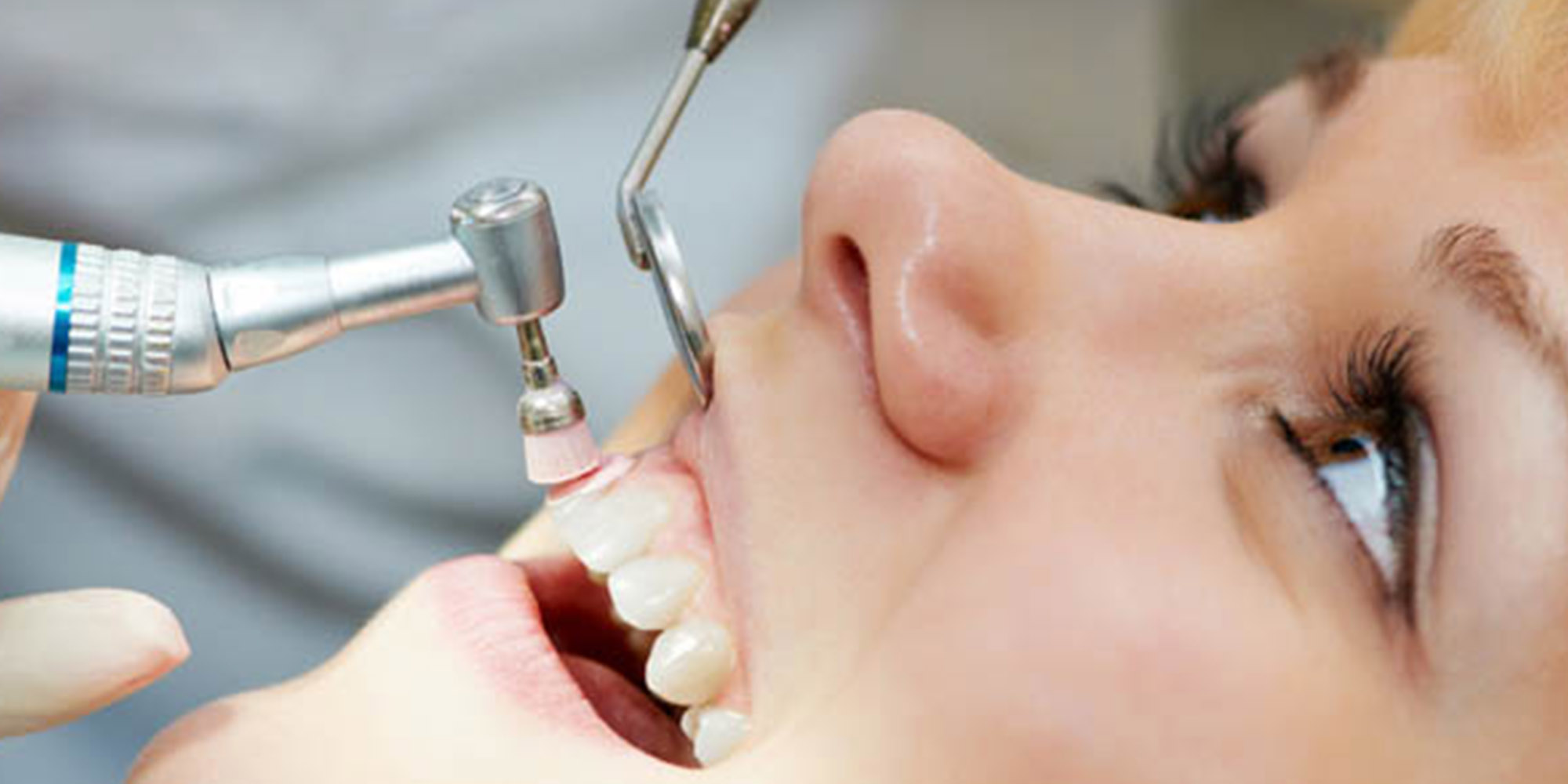
This is the one that does real harm, because it stops people from having the single cheapest treatment we offer. We meet patients who have avoided a cleaning for fifteen years on the strength of it.
Here is what is actually happening. When hardened tartar builds up around the necks of the teeth, it sets like cement and splints them together. If the bone underneath has already been eaten away by gum disease, that tartar is the only thing holding those teeth steady. Take it away and the teeth feel loose — because they were loose. The cleaning did not loosen them. It revealed what gum disease had been doing quietly for years.
Two other things get blamed on scaling that are not its fault:
- Gums that have been swollen and inflamed for years shrink back once they are healthy. Teeth can look a little longer for a week or two afterwards. That is your gums recovering, not receding.
- An ultrasonic scaler vibrates tartar loose. It does not cut enamel. Tartar is softer than enamel and gives way first — that is the whole principle the instrument works on.
Any slight mobility you feel settles within a few days as the gums tighten back around the teeth.
Avoiding a cleaning because you are afraid your teeth will loosen is the surest way to end up with teeth that actually are loose.
If it has been a while, start here: dental cleaning in Delhi, or see what a cleaning costs.
2. “Manjan or namak-sarson cleans better than toothpaste”
That squeaky-clean feeling after manjan, salt and mustard oil, or coal ash is not plaque coming off. It is enamel coming off.
These powders are abrasive in a way toothpaste deliberately is not. Enamel does not grow back. Once it is scrubbed thin, the yellow dentine underneath starts to show — so teeth look more yellow, not less — and the gums recede, which is where lifelong sensitivity comes from. A soft brush and ordinary fluoride toothpaste clean better and cost less.
One distinction worth making, because we are asked about it constantly: gently massaging the gums with a little namak and sarson ka tel is not the same thing as scrubbing your teeth with it. The massage is harmless, and plenty of our patients swear by it. The scrubbing is what costs you enamel.
3. “Put phitkari, laung ka tel or lasun on it and it will settle”
The one that does harm by working
Alum — phitkari — is not superstition, and it would be dishonest to treat it as such. It is a genuine astringent with a mild antibacterial action. It tightens inflamed tissue, and it really does take the edge off a throbbing tooth for a few hours. That is precisely why it has survived generations: it works.
The problem is what it does not do. A tooth hurting badly enough to send you looking for phitkari has almost always got decay that has reached the nerve, or an abscess at the root. A mouth rinse cannot reach either. It quietens the messenger and leaves the message unopened.
That costs you twice:
- The delay. While the pain is being muffled, the infection carries on into the bone. The window in which a root canal can still save the tooth closes quietly. Occasionally an abscess spreads into the face or neck, and that stops being a dental problem and becomes a hospital one.
- The acid. Alum solution is acidic. Rinsed with repeatedly over days or weeks, it erodes enamel and irritates the gums and inner cheek. We see raw, peeling patches in people who have been holding it in the mouth against the sore tooth. They arrive with the original toothache and a chemical burn on top of it.
The same applies to the other two things that come out of the kitchen when a tooth starts throbbing:
- Laung ka tel (clove oil). This one has genuine pharmacology behind it — clove oil contains eugenol, a real local anaesthetic that dentistry has used for over a century and still puts in temporary fillings. It will numb the tooth. It will not touch the infection underneath. And undiluted on the gum, tongue or cheek it burns soft tissue, so the cotton wool belongs on the tooth and nowhere else. Never give it to a small child.
- Lasun (crushed garlic). Garlic contains allicin, which really is antibacterial in a laboratory dish. Pressed against your gum it is something else: raw garlic held on the tissue causes a chemical burn, a white peeling patch that hurts more than the tooth did. We see it several times a year. If you have already done it, rinse it off.
To be fair to all three: one short use while you are waiting for an appointment will not ruin you, and we would rather you slept. What does the damage is doing it for days on end instead of coming in.
If you need something at home before you can get to a clinic, use warm salt water instead. It soothes without the acid and buys you the same day or two, without the damage. Then have the tooth looked at. Pain bad enough to need silencing is pain that needs treating.
4. “Everyone’s gums bleed a little”
No. Healthy gums do not bleed when you brush them, any more than healthy skin bleeds when you wash it. Bleeding is the first visible stage of gum disease — and the last stage that is completely reversible, usually with nothing more than a cleaning and better technique. Left for years, it becomes bone loss, and bone does not come back. If your gums bleed, read this next: bleeding gums treatment.
5. “If nothing hurts, nothing is wrong”
Cavities and gum disease are both painless until they are advanced. By the time a tooth hurts, the decay has usually reached the nerve — which is the difference between a filling and a root canal. Pain is a late warning, not an early one. That is the entire argument for a check-up every six months, and why a cleaning is the cheapest dentistry you will ever buy.
6. “Neem datun or oil pulling is enough”
Nani was not entirely wrong here. Neem does have real antibacterial properties, and there is nothing harmful about a datun. But neither removes plaque from between the teeth and below the gumline, which is exactly where gum disease starts. Use them if you enjoy them. Just do not let them replace a brush, floss and a twice-yearly ultrasonic cleaning.
The nuskhe that do work
The other half of the story
We have just spent six sections saying no, so here is the half that deserves a yes. Two of the old remedies are genuinely worth keeping. Neither treats the cause — that still needs a dentist — but unlike the things in myth 3, neither can burn you, and both are safe to use while you wait for an appointment.
Read them as a way to buy time, not to avoid the appointment.
Namak ka pani — warm salt water
The best of the lot, and the one we recommend most often ourselves. Half a teaspoon of salt in a glass of warm water, swished gently, several times a day. It eases swelling, keeps a sore area clean and soothes gums after an extraction.
Safely: warm, not hot. Do not swallow it. More about why we recommend saline rinses.
Amrud ke patte — guava leaves
Chew two or three tender guava leaves slowly, or boil a handful, let the water cool and use it as a mouth rinse. Guava leaf has genuine antibacterial and anti-inflammatory activity, and studies of it as a mouthwash have been encouraging for plaque and sore gums.
Safely: wash the leaves properly first. Let a boiled rinse cool fully before using it.
Every one of these buys you a night’s sleep. Not one of them buys you a cure. If a tooth has hurt for more than a day or two, the nuskha has done its job — now let us do ours.
What a cleaning actually costs
Most of the fear above evaporates once people see the number. This is the cheapest appointment on our list, and the one that prevents the expensive ones.
| Type of cleaning | Price range | Recommended for |
|---|---|---|
| Basic scaling (ultrasonic) | ₹1,500 – ₹3,000 | Routine maintenance, light tartar |
| Deep scaling (subgingival) | ₹1,000 – ₹2,500 | Moderate tartar, early gum disease |
| Full mouth deep cleaning | ₹2,000 – ₹5,000 | Heavy tartar, gum disease treatment |
Compare that with what treating advanced gum disease costs once the bone has gone, and the maths makes itself.
Why patients in North Delhi choose us
- Dr. Ankita Jindal Poddar, BDS — 15+ years in practice, IDA member, formerly at Hindu Rao Hospital, with a Certificate of Implantology.
- 4.8 stars across 160+ Google reviews from patients across Model Town, Adarsh Nagar, GTB Nagar and Kamla Nagar.
- We explain before we treat. If you have been avoiding a cleaning because of something you were told, say so. We would rather talk it through than have you stay away.
- Open Monday to Saturday, 10:30 AM to 8:00 PM — evening appointments available.
Been putting off a cleaning?
Book a check-up at our Model Town clinic. We will tell you honestly what you need — and what you do not.

Dr. Ankita Jindal Poddar
BDS · 15+ years experience · IDA Member · Ex-Hindu Rao Hospital · Certificate of Implantology
Practising at North Delhi Dental Clinic, D-2/2, Model Town-3, Delhi 110009. She has spent fifteen years talking patients out of things their relatives told them.