By Dr. Ankita Jindal Poddar, BDS · 15+ years in clinical practice · IDA Member · Ex-Hindu Rao Hospital | Updated October 2026
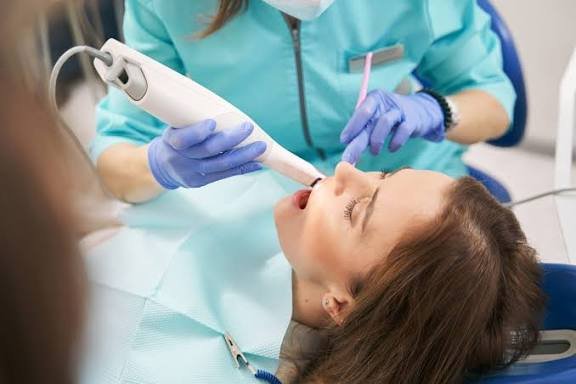
Quick answer: Digital impressions use a small handheld intraoral scanner to take a 3D image of your teeth instead of a tray of sticky putty. The scan takes a few minutes, is painless, uses no radiation, and is sent to the lab digitally for more accurate crowns, bridges, implants and aligners. North Delhi Dental Clinic in Model Town uses an intraoral scanner.
Gone are the days when patients had to sit uncomfortably with trays full of sticky dental putty in their mouths to capture tooth impressions. Thanks to modern technology, digital impressions have revolutionized dentistry, making the process faster, cleaner, and far more accurate. This innovation has improved both patient comfort and treatment outcomes, marking a significant step forward in modern dental care.
What Are Digital Dental Impressions?
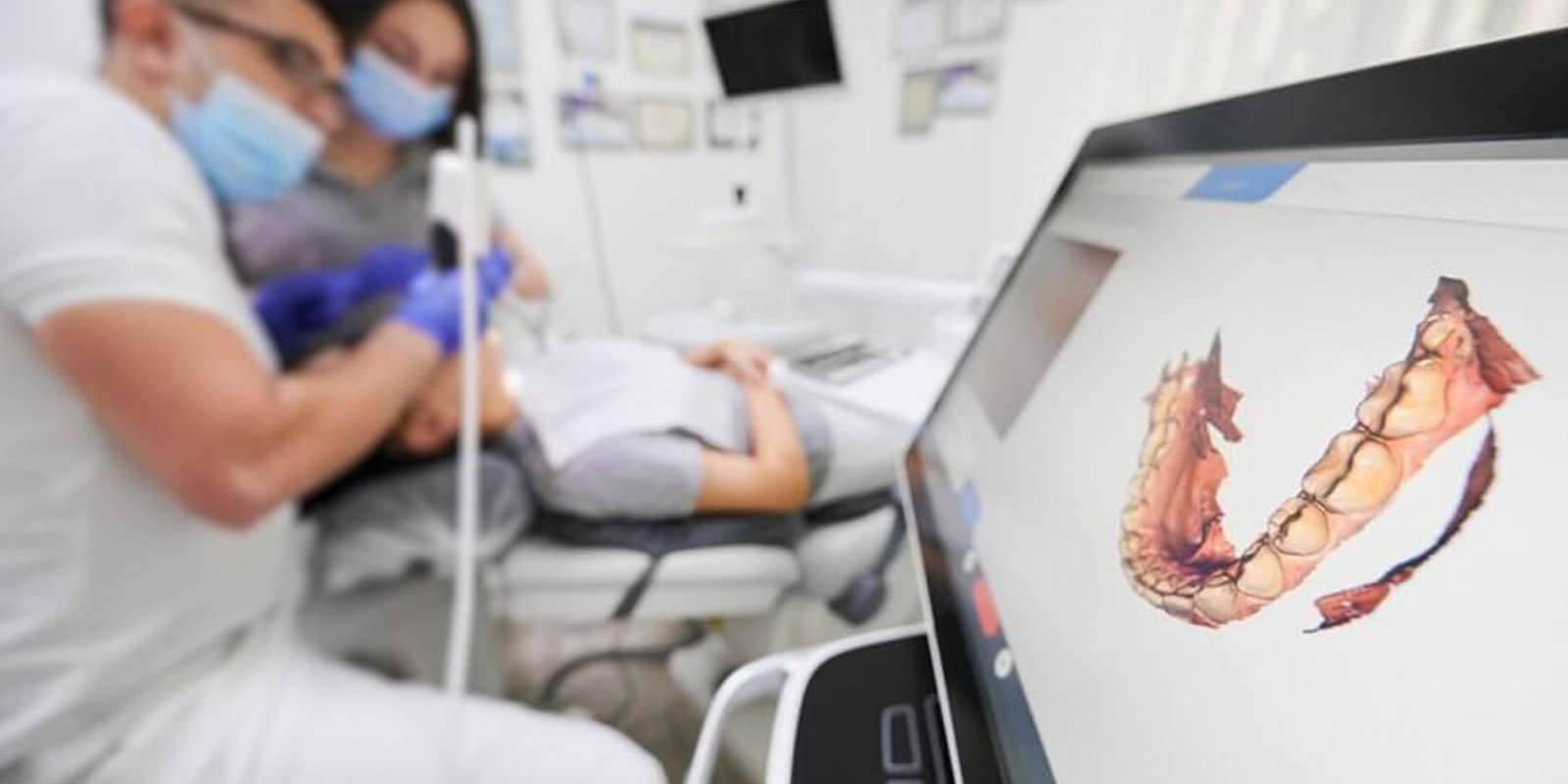
Digital impressions use advanced intraoral scanners to create a 3D image of your teeth and gums. Instead of using traditional molds, the dentist moves a handheld scanner around your mouth, capturing high-resolution images. These images are then converted into precise digital models that help design crowns, bridges, aligners, and other restorations with exceptional accuracy.
Advantages of Digital Impressions
1. No Mess or Discomfort
Traditional impressions required messy, unpleasant materials that often caused gagging. Digital impressions eliminate this discomfort entirely, providing a quick and clean experience with zero mess.
2. Time-Saving Process
Digital scanning is significantly faster than conventional methods. The entire process takes just a few minutes, and since the impressions are instantly available in digital format, they can be sent directly to the dental lab — saving valuable time.
3. High Accuracy and Precision
Digital impressions provide detailed, 3D images that capture even the smallest details of your teeth and gums. This ensures a perfect fit for crowns, veneers, and aligners, minimizing the need for adjustments or remakes.
4. Enhanced Patient Comfort
With no sticky materials, trays, or long waiting times, digital impressions offer a smooth and comfortable experience for patients of all ages — especially those with sensitive gag reflexes.
5. Environmentally Friendly
Since digital impressions don’t require physical molds or disposable materials, they are more eco-friendly and reduce clinical waste.
6. Seamless Communication with Labs
The digital files can be instantly shared with dental laboratories, ensuring faster turnaround times for restorations like crowns, bridges, or clear aligners.
Applications of Digital Impressions
- Designing crowns, bridges, and veneers
- Creating aligners and retainers
- Planning dental implants and restorations
- Monitoring orthodontic treatments
Visit the Best Dental Clinic in Model Town, Delhi
Experience the comfort and precision of digital impressions at North Delhi Dental Clinic — the best dental clinic in Model Town, Delhi. The clinic is equipped with advanced scanning technology and modern dental systems to ensure fast, accurate, and comfortable treatments. Whether you need crowns, aligners, or smile design procedures, the expert team at North Delhi Dental Clinic ensures superior results with minimal discomfort.
From Scan to Crown: How CAD/CAM Works
A digital impression is the first step of a fully digital workflow:
- Scan — the intraoral scanner captures a 3D model of your teeth and bite in a few minutes.
- Check — the dentist reviews the model on screen and rescans any area if needed.
- Design (CAD) — the crown, bridge or aligner is designed on a computer from your scan.
- Manufacture (CAM) — it is milled or 3D-printed from ceramic, zirconia or resin to match the design.
- Fit — because the model is so precise, the final restoration usually needs fewer adjustments.
The same scan is also useful as a record: it can show cracks, wear and gum changes on screen, and can be compared with future scans. Read the full comparison in intraoral scanner vs putty impressions.
Frequently Asked Questions
Are digital impressions better than putty impressions?
For most crowns, bridges, implants and aligners, yes. A digital scan is more comfortable (no gagging on putty), can be checked on screen straight away, and is sent to the lab digitally, which avoids distortion during transport.
Does a digital dental scan hurt or use radiation?
No. An intraoral scanner is a small camera wand that takes optical images of your teeth. It is painless and uses no X-rays or radiation.
How long does a digital impression take?
A full-mouth scan usually takes a few minutes. Your dentist can rescan any area immediately if something is missed, instead of repeating a whole putty impression.
What is CAD/CAM in dentistry?
CAD/CAM means computer-aided design and computer-aided manufacturing. The crown or bridge is designed on a computer from your digital scan and then milled or 3D-printed from a block of ceramic or zirconia, giving a precise fit.
Related reading
Conclusion
Digital impressions have transformed dentistry by offering a faster, cleaner, and more accurate alternative to traditional methods. They save time, enhance patient comfort, and ensure better results. For a seamless, high-tech dental experience, visit North Delhi Dental Clinic in Model Town, Delhi — your trusted destination for modern dental solutions and advanced care.
Ready to Get Started?
Book a consultation with Dr. Ankita at North Delhi Dental Clinic, Model Town