By Dr. Ankita Jindal Poddar (BDS, 15+ years experience) | Updated May 2026
Two of the most Googled questions we get at the clinic: “Should I get veneers or crowns?” and “What is the difference between veneers and crowns?” Both are tooth restorations, both can make your smile look dramatically better — but they work very differently, and choosing the wrong one is a mistake you will live with for the next decade.
This guide gives you the honest comparison: what each procedure involves, what it costs in India in 2026, and how to know which one your specific situation actually needs.
The Core Difference — What Each One Does to Your Tooth
The simplest way to understand it:
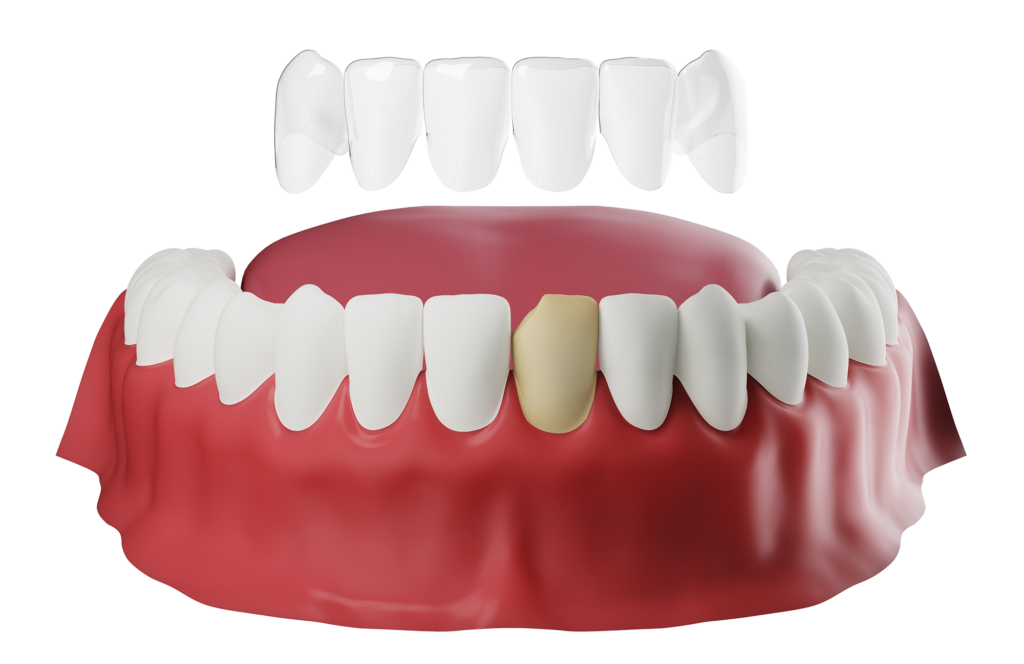
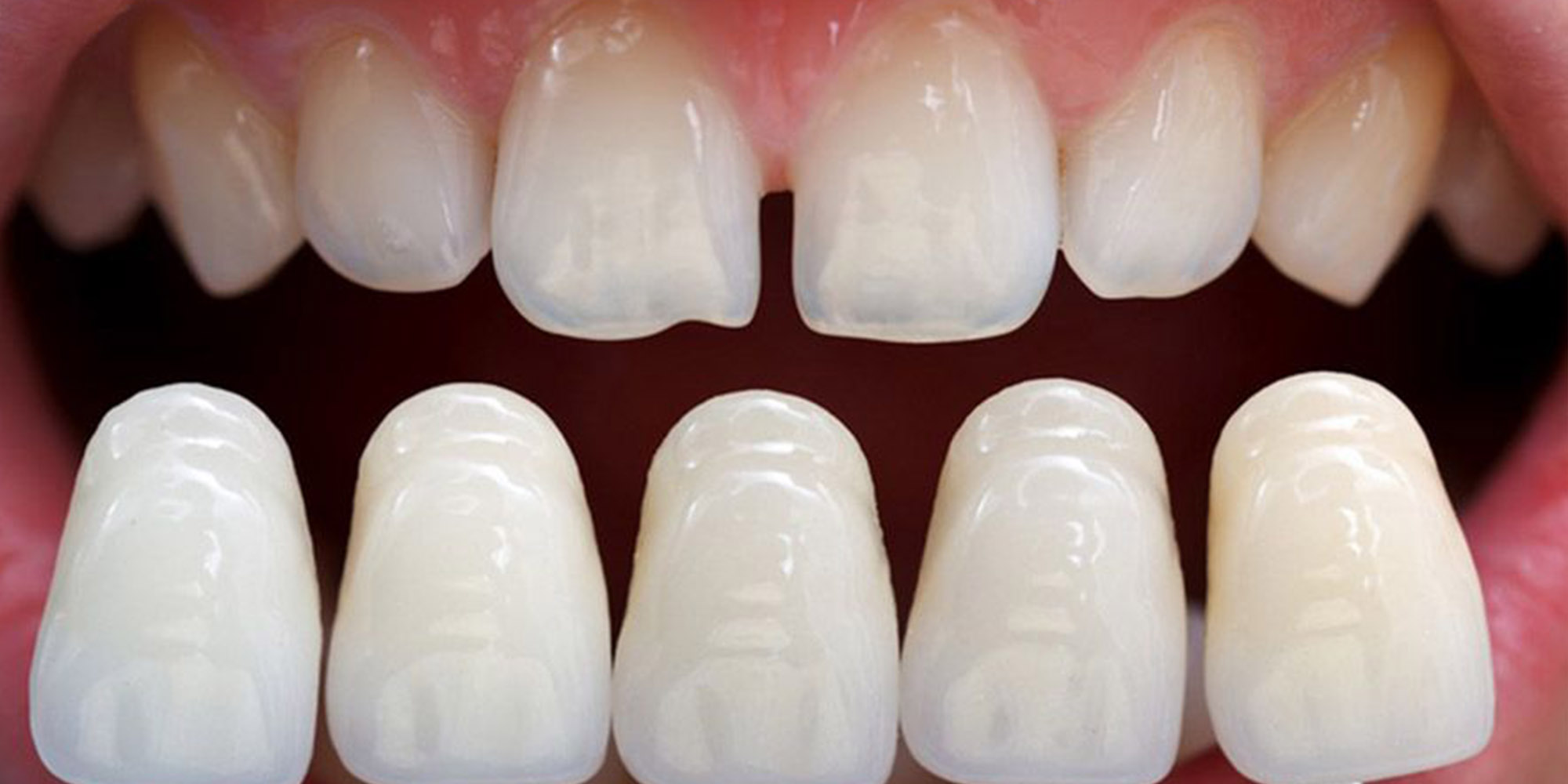
- A veneer is a thin porcelain shell (0.3–0.7mm) bonded to the front surface of a tooth. Think of it like a false nail for your tooth — the original tooth stays mostly intact, and the veneer changes its appearance.
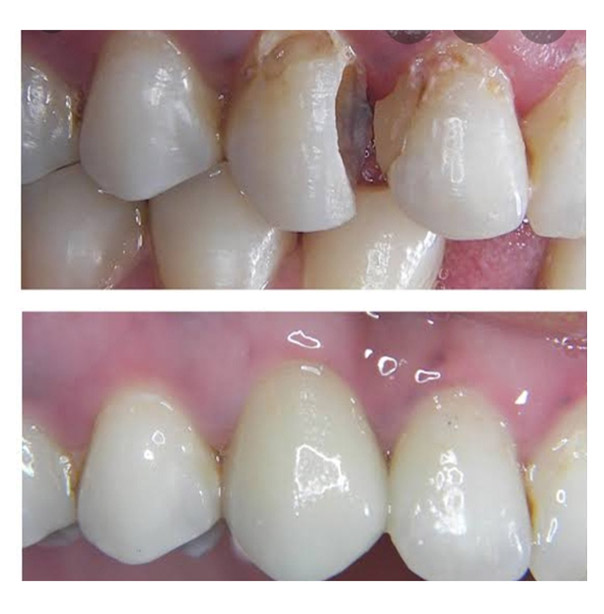
- A crown is a cap that covers the entire tooth — all four sides and the top. The tooth is shaved down significantly on all sides (1.5–2mm), and the crown sits over it like a helmet.
This is the key reason the choice matters: a veneer preserves most of your natural tooth; a crown removes significantly more structure. Once you crown a tooth, that level of preparation is permanent — the tooth will always need a crown going forward.
Quick Decision Guide — Veneer or Crown?
| Situation | Veneer | Crown |
|---|---|---|
| Tooth is discoloured / stained (won’t bleach) | ✓ | — |
| Tooth is chipped or slightly misshapen | ✓ | — |
| Small gap between front teeth (diastema) | ✓ | — |
| Tooth has had root canal treatment | — | ✓ |
| Tooth is severely broken / large filling | — | ✓ |
| Tooth needs bite support (back teeth) | — | ✓ |
| Tooth is part of a dental bridge | — | ✓ |
| Purely cosmetic, healthy front tooth | ✓ | — |
Cost Comparison — Veneers vs Crowns in India (2026)
| Restoration Type | Material | India Range | Delhi Range |
|---|---|---|---|
| Porcelain Veneer | Feldspathic / E-max | ₹8,000–₹20,000/tooth | ₹8,000–₹18,000/tooth |
| Composite Veneer | Resin (direct, same-day) | ₹3,000–₹8,000/tooth | ₹3,000–₹7,000/tooth |
| Zirconia Crown | Zirconia (metal-free) | ₹8,000–₹18,000/tooth | ₹10,000–₹15,000/tooth |
| PFM Crown | Porcelain-fused-to-metal | ₹4,000–₹10,000/tooth | ₹2,500–₹5,000/tooth |
| Full Ceramic Crown | E-max / Lithium disilicate | ₹10,000–₹22,000/tooth | ₹10,000–₹20,000/tooth |
Prices are per tooth, 2026 estimates. Final cost depends on the number of teeth, material chosen, and any preparatory work (build-up, root canal). Get a consultation for an exact quote.
Also read: Porcelain Veneers Cost in Delhi — What You Will Actually Pay
When Your Dentist Will Recommend a Veneer
Veneers are a cosmetic solution for front teeth that are structurally healthy but aesthetically imperfect. Your dentist will recommend a veneer when:
- The tooth is discoloured — fluorosis, tetracycline staining, or intrinsic staining that bleaching cannot fix
- The tooth has a small chip or irregular shape that affects your smile
- There is a gap (diastema) between front teeth and you want it closed without orthodontics
- Teeth appear too small or worn and you want a more proportionate smile
- You are going for a full smile makeover on 6–8 front teeth
Veneers require minimal tooth preparation — typically just 0.3–0.5mm of enamel is removed from the front surface. This is irreversible, but far less destructive than crown preparation. Some ultra-thin veneers (no-prep or minimal-prep) require almost no shaving at all.
Veneers are not suitable if: the tooth has significant decay, is cracked through the entire tooth, has very little enamel remaining, or if you grind your teeth heavily (bruxism) without a night guard.
When Your Dentist Will Recommend a Crown
Crowns are the right choice when a tooth needs structural protection, not just a cosmetic cover. Your dentist will recommend a crown when:
- The tooth has had a root canal treatment — RCT-treated teeth become brittle and need a crown to prevent fracture
- The tooth has a large filling where there is more filling material than natural tooth left
- The tooth is cracked or severely broken — a veneer cannot hold a fractured tooth together
- The tooth needs to serve as a bridge abutment to support replacement of a missing tooth
- The tooth is a back tooth (molar/premolar) that takes heavy chewing forces — veneers are not made for back teeth
- The tooth has been significantly worn down due to bruxism or acid erosion
Also read: Crown vs Filling — Which Does Your Tooth Need?
Can You Choose? What Is Clinical vs. What Is Preference
This is a question many patients ask: “Can I just choose veneers even if the dentist recommends a crown?”
Honestly — sometimes, yes. Sometimes, no.
Where you have a say: If your tooth is borderline — moderately discoloured but otherwise healthy — some dentists may offer both options. If cost is a concern, a composite veneer done directly in the chair (same day, no lab) can be a valid temporary or budget-friendly solution. Material choice (zirconia vs. PFM vs. E-max) is also your preference.
Where the dentist has to decide: If the tooth has had an RCT, is fractured, or is a molar, a veneer is not appropriate — it is not a safe substitute for a crown. In these cases, choosing a veneer to save money is a false economy; the tooth will likely fail sooner and cost more to fix.
The best approach: ask your dentist to explain why they are recommending a crown vs. a veneer. A good dentist will walk you through the X-ray and clinical findings.
Longevity & Maintenance — Which Lasts Longer?
| Veneer | Crown | |
|---|---|---|
| Average lifespan | 10–15 years | 10–20 years |
| Can it chip? | Yes — avoid biting hard objects | Less likely — especially zirconia |
| Stain resistance | Good — porcelain does not stain | Good — same material |
| Gum compatibility | Excellent — minimal tissue coverage | Good — zirconia is very gum-friendly |
| Special care | Night guard if grinding; no nail biting | Night guard if grinding |
Both veneers and crowns are low-maintenance — brush, floss, and see your dentist every 6 months. The biggest risk factor for both is bruxism (teeth grinding). If you grind at night, a custom night guard protects both veneers and crowns from early failure.
Why Choose North Delhi Dental Clinic for Veneers or Crowns?
- Dr. Ankita Jindal Poddar has 15+ years of experience in cosmetic and restorative dentistry, including smile makeovers, full-mouth rehabilitation, and crown & bridge work
- We use high-quality zirconia and E-max materials from certified labs — not cheap imports
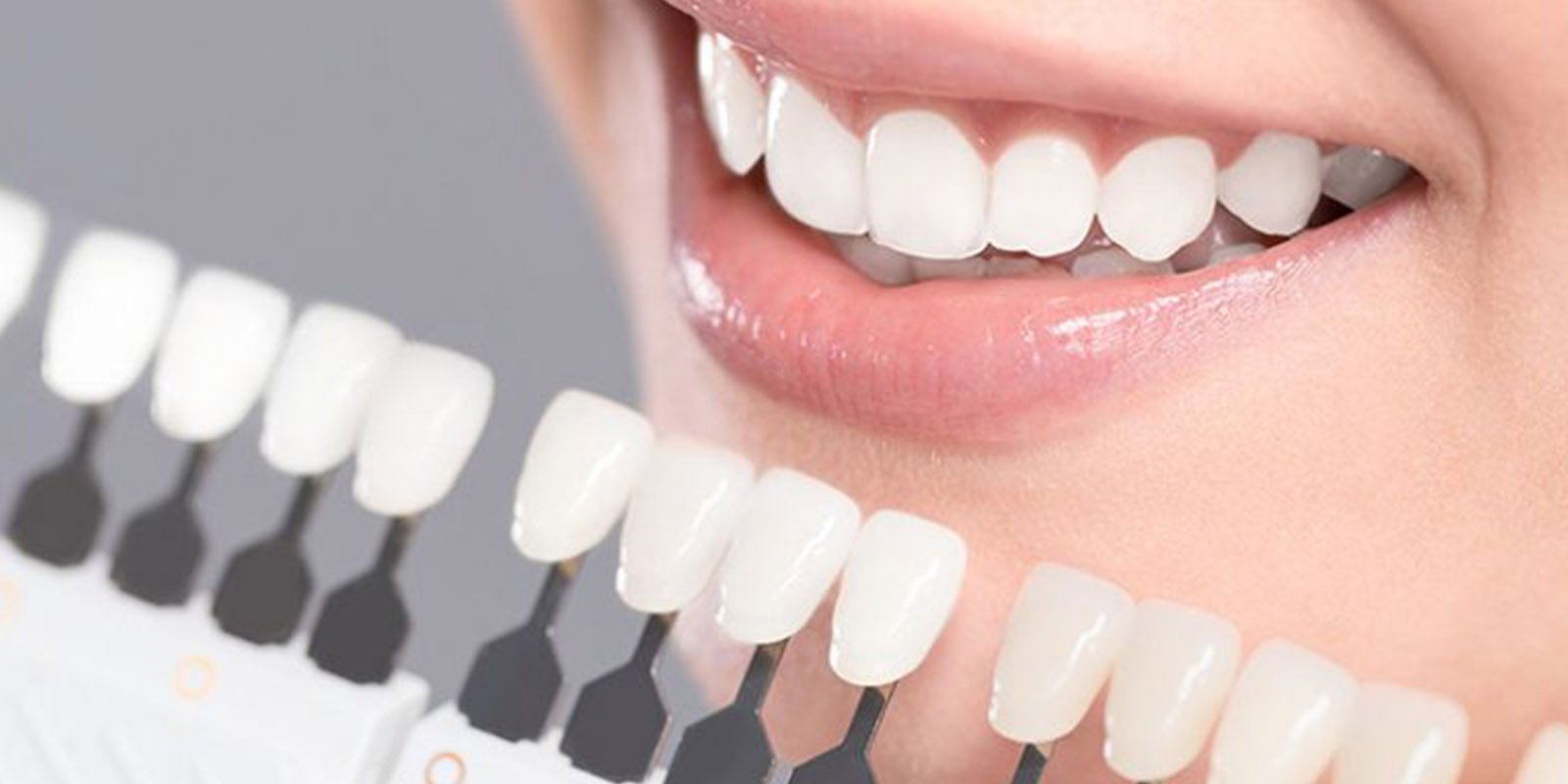
- Digital shade matching — your veneers or crowns blend seamlessly with natural teeth
- Transparent consultation — we show you X-rays, explain findings, and give you both options where clinically valid
- No unnecessary treatment — if a tooth needs a filling and not a crown, we will tell you
- 4.8★ rating from 160+ Google reviews, Model Town, North Delhi
See our Smile Makeover Cost guide if you are considering multiple veneers or crowns as part of a full smile transformation.
Not Sure Which One You Need?
Book a consultation — we will examine your teeth, show you X-rays, and give you an honest recommendation with no pressure.
Frequently Asked Questions

Dr. Ankita Jindal Poddar
BDS | 15+ Years Experience | IDA Member | Ex-Hindu Rao Hospital | Certificate of Implantology
North Delhi Dental Clinic, Model Town-3, New Delhi