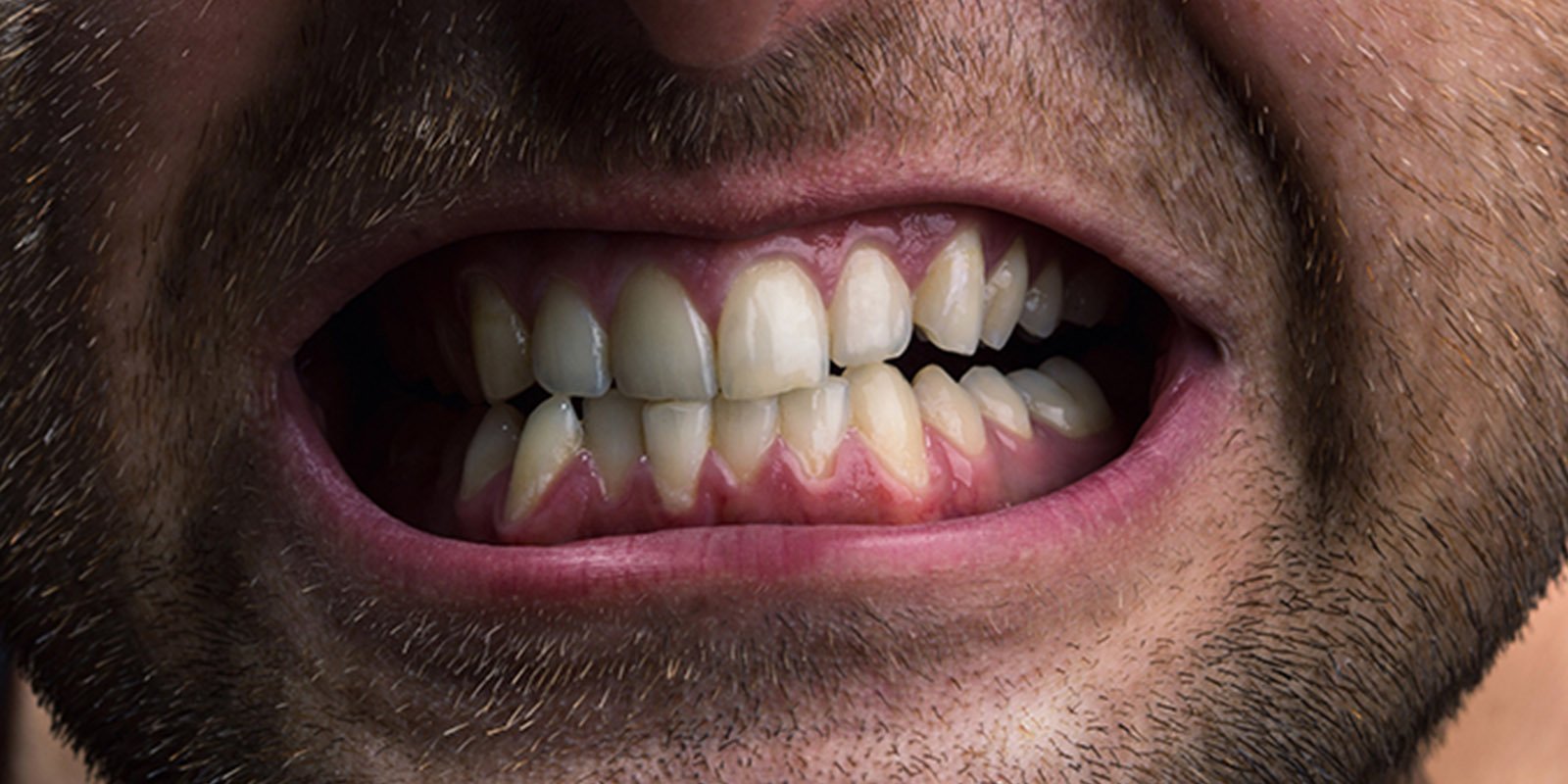
Stress affects more than your mood and sleep — it often leaves clear signs in your mouth. Dentists frequently spot stress-related problems during routine exams, from worn teeth to inflamed gums. Understanding these signs helps you act early and protect your oral health.
1. Teeth Grinding (Bruxism)
Stress commonly causes unconscious teeth grinding or clenching, especially during sleep. Over time this can lead to:
- worn-down enamel
- tooth fractures or chipping
- chronic jaw pain and headaches
2. Jaw Pain and TMJ Disorders
Clenching increases pressure on the temporomandibular joint (TMJ), which can cause:
-
- clicking or popping sounds when opening the mouth
- difficulty opening wide
- Pain around the ears or temple area
3. Gum Problems
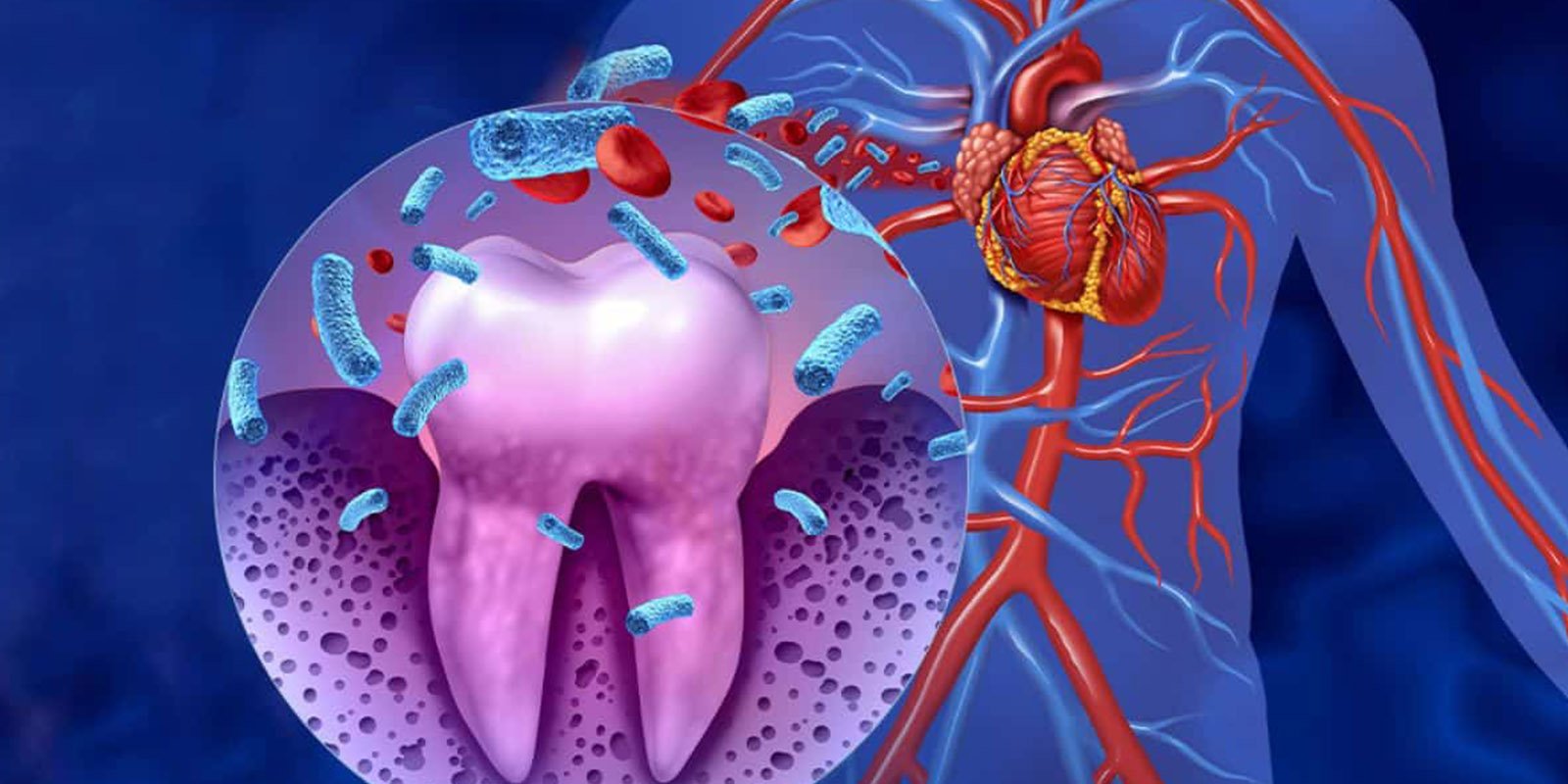
Chronic stress weakens the immune response and can worsen gum health. Patients under stress may see:
- inflamed, bleeding gums (gingivitis)
- faster progression to periodontitis if oral hygiene slips
- poorer healing after dental procedures
4. Mouth Sores and Ulcers
Stress can trigger or aggravate canker sores and may make recurrent cold sores worse in susceptible people. These lesions can be painful and interfere with eating and speaking.
5. Dry Mouth (Xerostomia)
Anxiety and stress — and some stress-related medications — can reduce saliva flow. Low saliva increases the risk of:
- tooth decay
- bad breath
- oral infections
How to Protect Your Smile from Stress
- Practice relaxation: deep breathing, meditation, yoga, or progressive muscle relaxation.
- Reduce stimulants: cut back on caffeine and alcohol, which can worsen clenching and dry mouth.
- Use a night guard: a dentist-fitted occlusal guard can protect teeth from grinding damage.
- Improve oral hygiene: brush twice daily, floss, and use fluoride toothpaste to counteract increased decay risk.
- Stay hydrated: sip water and consider sugar-free gum to stimulate saliva flow.
- See your dentist: regular check-ups let professionals catch stress-related damage early and advise treatment.
When to Seek Help
Book an appointment if you notice persistent jaw pain, morning headaches, new tooth sensitivity, bleeding gums, or recurrent mouth sores. Early intervention — whether a night guard, periodontal care, or a stress-management plan — prevents long-term damage.
Remember: your mouth often reflects what your mind is experiencing. Treating stress benefits both your mental well-being and your smile.